
27
Jan

Stress and Vision
Did you know that your eyes are an extension of your brain? There are six muscles connected to each eye, and they receive signals from the brain. These signals direct the eyes movements and, thus, control their ability to focus. When you are stressed, your brain goes through a nu...
View MoreCategory: Protecting Your Eyes
27
Jan

Pain Management
We take a lot of aspects of our vision for granted. We expect to see nearby and faraway objects clearly, even if we require our eye care provider to prescribe eyeglasses or contact lenses to do so. A huge degree of the information we take in about our world and our surroundings t...
View MoreCategory: Protecting Your Eyes
27
Jan

Nutrition for Eye Health
Eating right is essential for keeping your body healthy. This is as true for your eyes as it is for your heart. A diet that is rich in fresh fruits, vegetables and whole grains, and is low in saturated fat, can reduce your risk of heart disease. This will also keep your arteries ...
View MoreCategory: Protecting Your Eyes
27
Jan
Lifestyle Practices for Eye Health
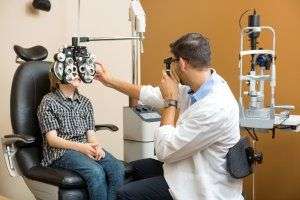
Protecting your eyesight is an important part of staying healthy overall. Maintaining sound eye health will also help you preserve your quality of life as you age. To keep your eyes as healthy as possible, follow these simple lifestyle practices. Get regular eye exams. Some eye p...
View MoreCategory: Protecting Your Eyes
27
Jan

Glare and Halos
Glare and halos are both eye symptoms that some people experience around bright lights. Halos show up as bright circles around a light source. Glare is light that interferes with your vision, making it difficult to see or sometimes making your eyes water. These symptoms can show ...
View MoreCategory: Vision Problems
27
Jan

UV Radiation and Your Eyes
Optometry warnings about the damaging effects of ultraviolet radiation on our eyes have not yet reached the degree of public awareness of that of skin damage. Yet, the sun can be just as damaging upon our eyes with unprotected exposure. Short-term exposure to very bright sunlight...
View MoreCategory: Protecting Your Eyes
27
Jan
Pediatric Ophthalmology
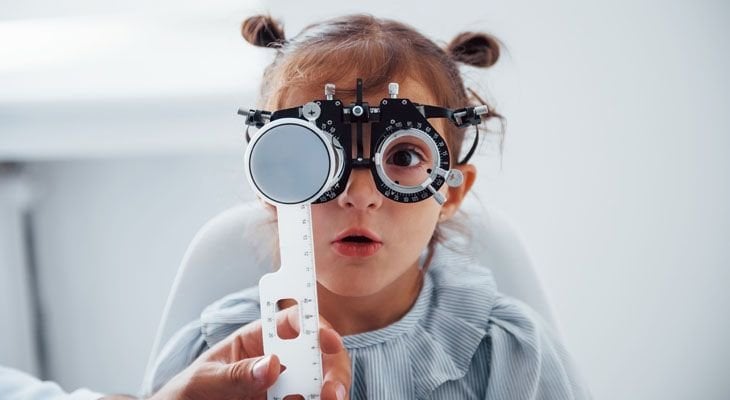
Ophthalmology addresses the physiology, anatomy and diseases of the eyes. Pediatric ophthalmology focuses on the eyes of children. Pediatric ophthalmologists examine children's eyes to see if they need corrective lenses or other treatments to improve their vision. Training f...
View MoreCategory: Pediatric Vision
27
Jan
September Newsletter: LASIK vs LASEK: What Is the Difference?
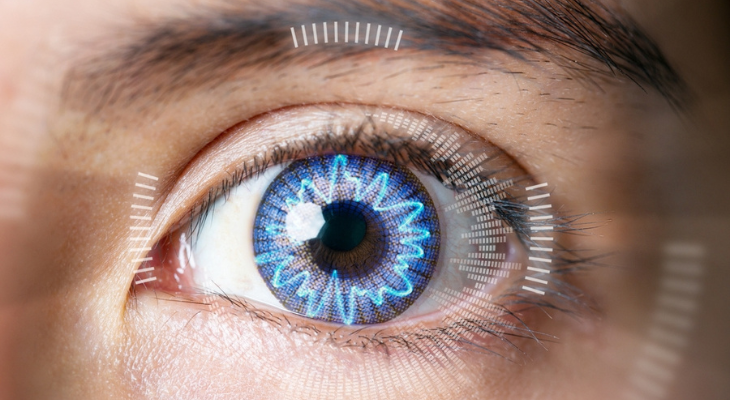
LASIK vs LASEK: What's the Difference? It's easy to confuse LASIK and LASEK. After all, the two types of refractive eye surgery are pronounced nearly the same way. Despite the similar names, LASIK and LASEK offer different approaches to improving your vision. Wondering which refr...
View MoreCategory: Newsletters
27
Jan

August Newsletter: The Do's and Don'ts After Glaucoma Surgery
The Do's and Don'ts After Glaucoma Surgery If glaucoma surgery is on your calendar, you're probably wondering what you can and can't do after your procedure. Following these do's and don'ts will help ensure that you experience a smooth recovery. DO Use Your Eye Shield Eye shields...
View MoreCategory: Newsletters
27
Jan
July Newsletter: Are Glasses Still Necessary After Cataract Surgery?
Are Glasses Still Necessary After Cataract Surgery? Are you wondering if you can throw away your glasses after your cataract surgery? The answer depends on the type of intraocular lens (IOL) you choose. What Are IOLs? Cataracts cloud the clear, disc-shaped lenses inside your eyes...
View MoreCategory: Newsletters