

27
Jan
July Newsletter: What Is Hyphema and How Is It Treated?
What Is Hyphema and How Is It Treated? Injuries are a common cause of hyphema, a condition that happens when blood accumulates in the front part of the eye. You'll need to see an ophthalmologist as soon as possible if you have a hyphema, as vision loss can occur in some cases. Ho...
View MoreCategory: Newsletters
27
Jan
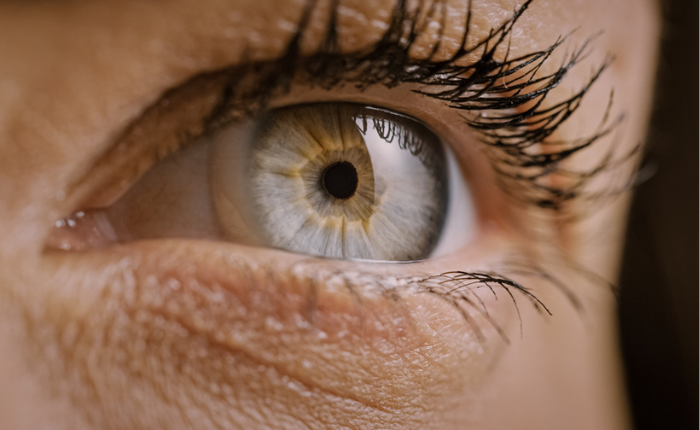
June Newsletter: How Your Ophthalmologist Can Help with Constricted Pupils
How Your Ophthalmologist Can Help with Constricted Pupils Your pupils constantly change size, allowing you to see well in dark and light environments. In some cases, pupils become too small, which can interfere with vision and may be a sign of an underlying health problem. A visi...
View MoreCategory: Newsletters
27
Jan

May Newsletter: Causes and Symptoms of Endophthalmitis
What Is Endophthalmitis? Endophthalmitis is a type of infection that occurs inside your eye. The infection is a medical emergency and can cause permanent damage to your vision if not treated promptly. About Endophthalmitis Two kinds of endophthalmitis can affect your vision. Endo...
View MoreCategory: Newsletters
27
Jan

April Newsletter: How Your Ophthalmologist Treats Corneal Abrasions
How Your Ophthalmologist Treats Corneal Abrasions A corneal abrasion, one of the more common eye injuries, occurs when your cornea is scratched or scraped. Although corneal abrasions don't usually damage your vision, they can be painful and uncomfortable. What Causes Corneal Abra...
View MoreCategory: Newsletters
27
Jan
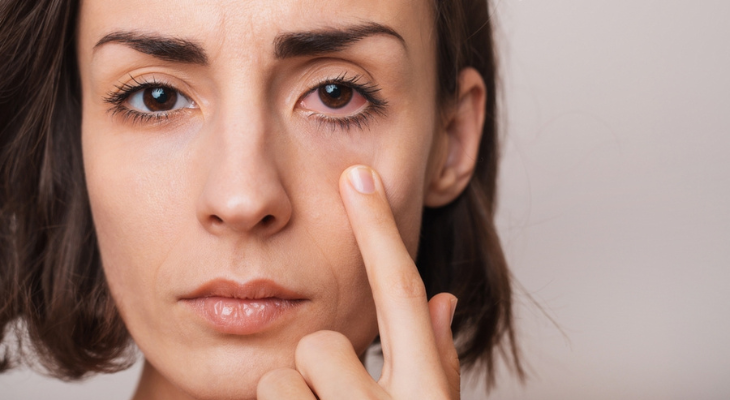
March Newsletter: How Your Ophthalmologist Can Help with Scleritis
How Your Ophthalmologist Can Help with Scleritis Prompt treatment is the key to treating scleritis, an inflammatory disorder that affects the white surfaces of your eyes. Your ophthalmologist offers several treatments that can reduce inflammation and protect your eyesight. What I...
View MoreCategory: Newsletters
27
Jan
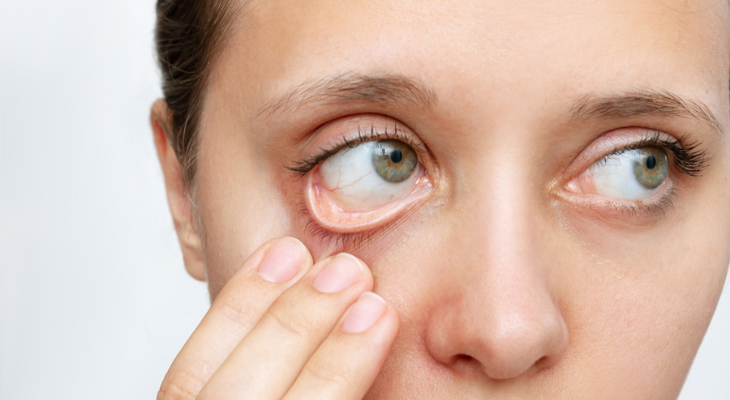
February Newsletter: How Certain Types of Anemia Affect Your Eyes
How Certain Types of Anemia Affect Your Eyes Anemia causes a variety of symptoms, including dizziness, shortness of breath, fatigue, and headaches. If you've noticed changes in your vision, you're not imagining things. Anemia can also cause problems with the eyes. What Is Anemia? ...
View MoreCategory: Newsletters
27
Jan

January Newsletter: How Your Ophthalmologist Can Diagnose Retinitis Pigmentosa
How Your Ophthalmologist Can Diagnose Retinitis Pigmentosa Loss of peripheral (side) vision and night vision are early symptoms of retinitis pigmentosa (RP), although other eye disorders and conditions can also cause these issues. During a visit to the ophthalmology office, your ...
View MoreCategory: Newsletters
27
Jan

December Newsletter: Does Dehydration Affect Your Eye Health?
Does Dehydration Affect Your Eye Health? Wondering why your eyes feel dry and irritated when you're dehydrated? Fluid loss can cause a variety of uncomfortable symptoms, ranging from dizziness to blurred vision. Why Is Dehydration So Dangerous? Dehydration occurs when you lose m...
View MoreCategory: Newsletters
27
Jan

November Newsletter: The Link Between Dry Eyes and Lupus
The Link Between Dry Eyes and Lupus Are your eyes dry and itchy? If you have lupus, it could be the reason why your eyes are dry and uncomfortable. Whether dry eye symptoms only happen during flare-ups or occur consistently, treating your symptoms will keep your eyes moist and pr...
View MoreCategory: Newsletters
27
Jan

October Newsletter: The Benefits of PRK Eye Surgery
The Benefits of PRK Eye Surgery Wondering if photorefractive keratectomy (PRK) is the ideal way to permanently sharpen your vision? PRK, the first type of laser refractive surgery to win approval from the US Food and Drug Administration, can help you improve your eyesight if you'...
View MoreCategory: Newsletters