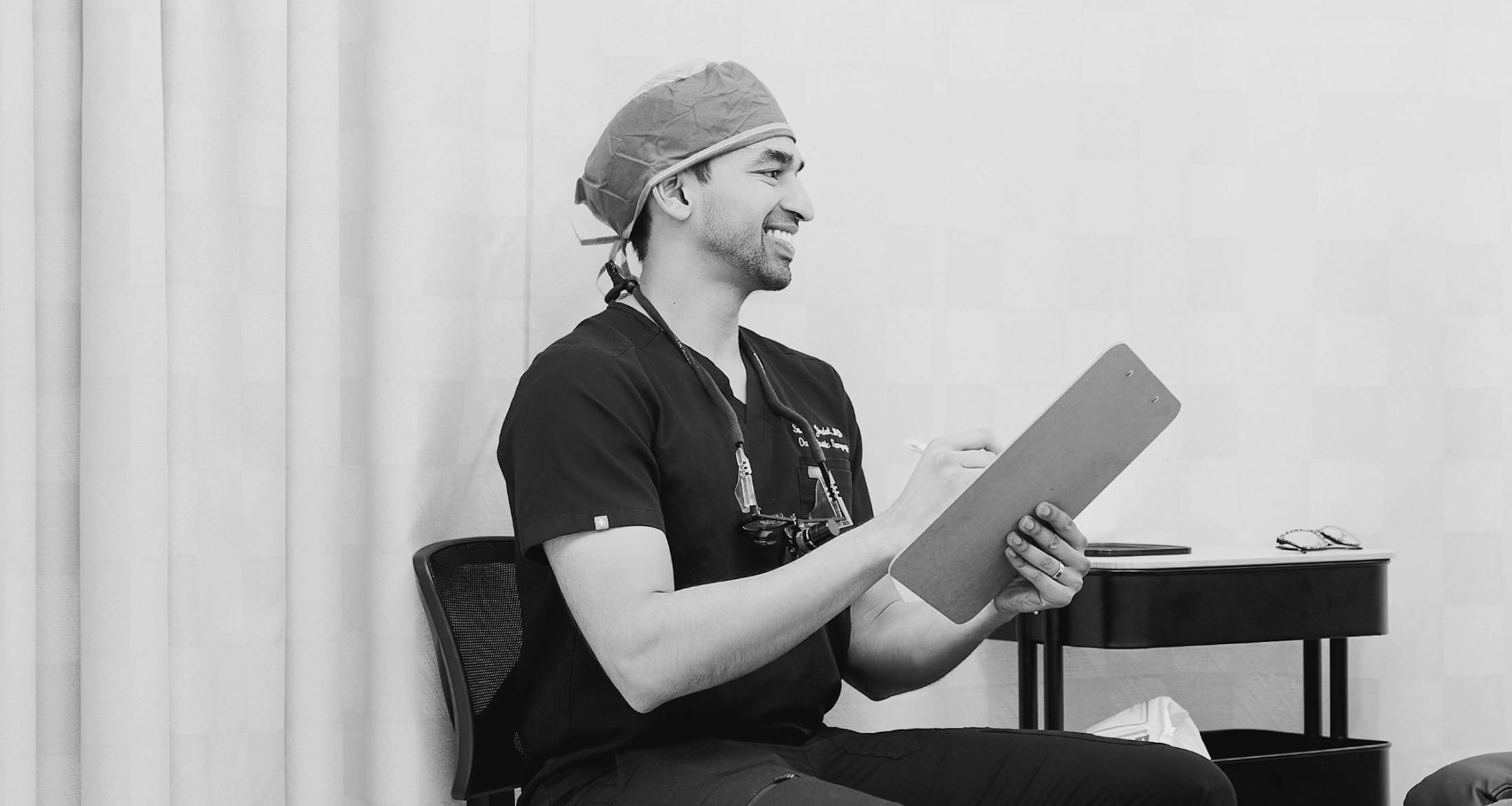

Cataract surgery is one of the most commonly performed and consistently successful procedures in ophthalmology, but understanding the process can make the experience far more comfortable and empowering. At NCO Eye Center, part of New Century Ophthalmology, cataract care is guided by board-certified ophthalmologists with decades of combined experience, including Dr. Vinod Jindal, MD, FACS. With accredited in-office surgical suites, advanced diagnostic technology, and an unwavering patient-first philosophy, our practice is uniquely equipped to deliver precise, personalized cataract surgery for patients in Raleigh and Oxford, NC. In this blog, we walk you through what to expect at every stage of the cataract surgery journey so you can feel informed, confident, and prepared.
Your Cataract Consultation
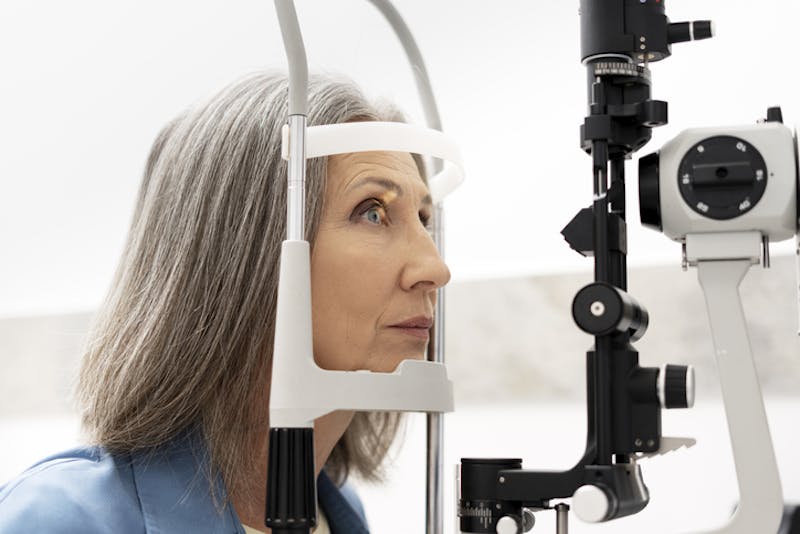
Your cataract surgery journey begins with a comprehensive eye examination designed to confirm your diagnosis and assess the overall health of your eyes. Advanced imaging and detailed measurements allow your surgeon to understand how cataracts are affecting your vision and daily activities. Just as important, this visit focuses on you. Your visual needs, lifestyle, and goals are carefully discussed to ensure your treatment plan is aligned with how you live, work, and see the world.
Preparing for Surgery
Once cataract surgery is recommended, our team provides clear, personalized instructions to help you prepare. You will receive guidance on medications, eye drops, and what to expect in the days leading up to your procedure. Preoperative planning also includes selecting the most appropriate intraocular lens based on your eye anatomy and vision goals. This careful preparation helps ensure a smooth surgical experience and optimal visual outcomes.
What Happens on Surgery Day
Cataract surgery is performed on an outpatient basis in our fully accredited, in-office surgical suites. On the day of your procedure, numbing eye drops and mild sedation are used to keep you relaxed and comfortable. Through a small, precise incision, the clouded natural lens is gently removed and replaced with a clear artificial lens. The procedure typically takes about 30 minutes per eye, and patients are often surprised by how quick and straightforward the experience feels.
Choosing the Right Lens for Your Vision
One of the most important decisions in modern cataract surgery is selecting the intraocular lens that best supports your visual needs:
- Standard monofocal lenses: Provide crisp vision at a single distance, with glasses often needed for other activities.
- Multifocal lenses: Designed to improve near, intermediate, and distance vision, reducing reliance on glasses.
- Toric lenses: Correct astigmatism to deliver sharper, more consistent vision.
- Accommodating lenses: Shift naturally with the eye to support smoother transitions between focal points.
Your surgeon will explain each option in detail and help you choose the lens that best matches your lifestyle and expectations.
Recovery and Follow-Up Care
Recovery from cataract surgery is typically smooth and efficient. Many patients notice clearer vision within the first 24 to 48 hours, though mild blurriness or light sensitivity can occur early in the healing process. Follow-up visits allow your care team to monitor healing, answer questions, and ensure your eye is recovering properly. Most patients resume normal activities within a few days, with vision continuing to refine over several weeks.
Long-Term Vision After Cataract Surgery
Once a cataract is removed, it cannot return. Your new intraocular lens is designed to provide lasting clarity and improved visual function. Depending on the lens selected, you may still use glasses for certain tasks, but many patients enjoy greater visual freedom and improved confidence in daily life.
Schedule Your Cataract Consultation Today
Knowing what to expect from cataract surgery can make the decision clearer and far less intimidating. At NCO Eye Center and New Century Ophthalmology, cataract procedures are performed under the experienced leadership of Dr. Jindal with a focus on safety, precision, and personalized care. If cataracts are affecting your vision or quality of life, schedule a consultation today to learn how cataract surgery can restore clarity and help you see with confidence again.