
02
Mar
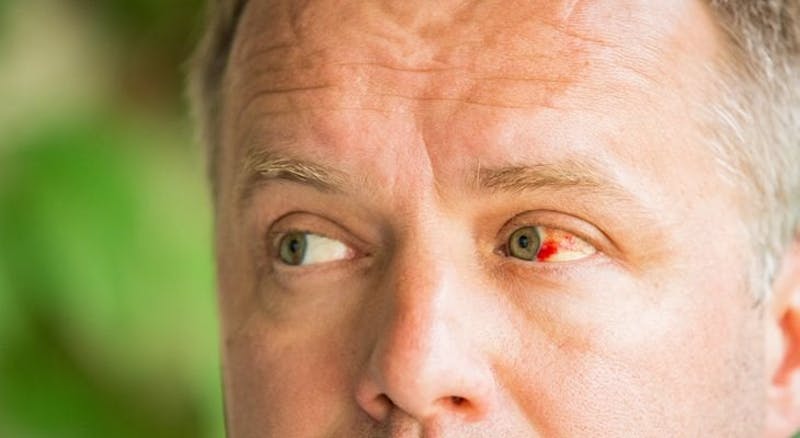
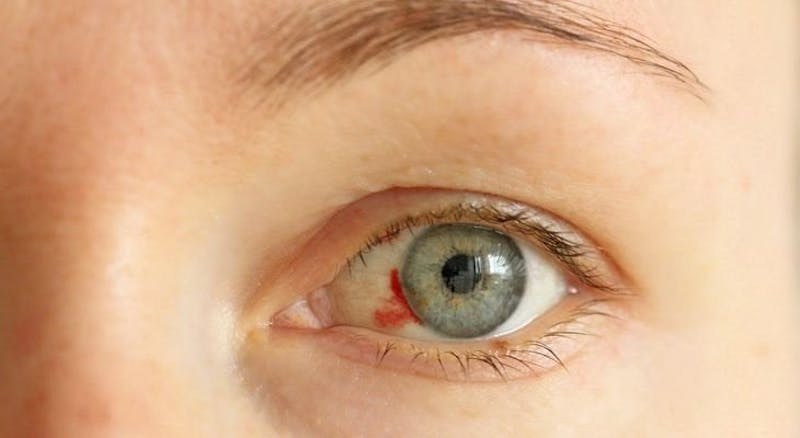
Subconjunctival Hemorrhage
Similar to a bruise under the skin, a subconjunctival hemorrhage happens when a small blood vessel located between the sclera (white portion of an eye) and the conjunctiva (lining on the surface of an eye) breaks and covers the sclera with blood. Unlike broken blood vessels locat...
View More02
Mar
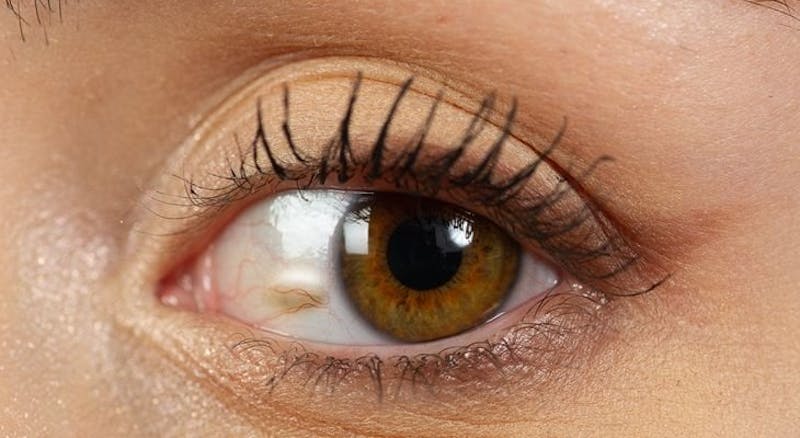
Pinguecula and Pterygium (Surfer's Eye)
Characterized by a yellowish raised part of the scleral conjunctiva (the lining of the white part of the eye), a pinguecula usually develops near the cornea (colored part of the eye), but does not extend past it. Similar to a callus on the skin, changes in tissues lead to the bui...
View More02
Mar
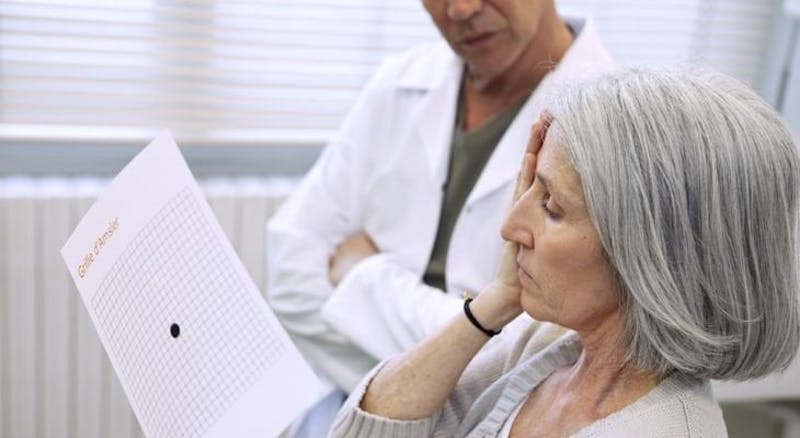
Macular Degeneration
One of the most important reasons for regular examinations by your eye care provider is evaluate for the development of macular degeneration. According to the Bright Focus™ Foundation, this condition is the primary cause of loss of vision and blindness in older individuals ...
View More02
Mar
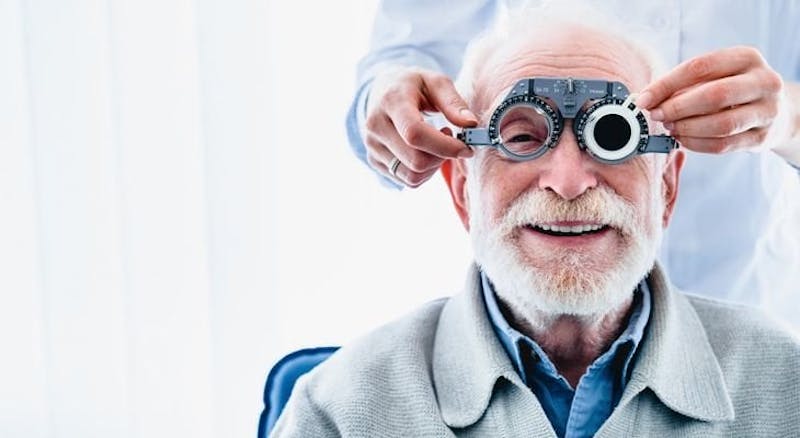
Cataracts
Many body parts begin to change as you age, and your eyes are no exception. One of the most common age-related eye changes is the development of cataracts. Although cataracts do not occur exclusively in older adults, they affect approximately half of all Americans by age 80. What...
View More02
Mar
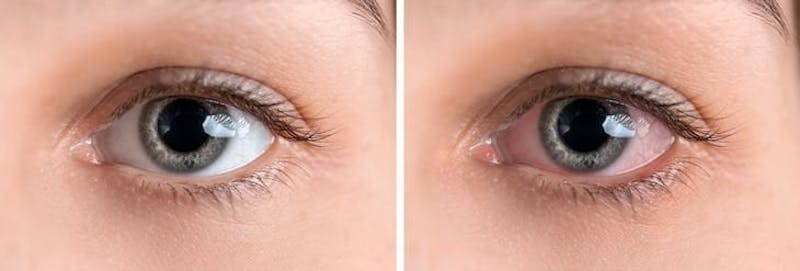
Uveitis
refers to the inflammation of the eye's middle layer, which consists of the iris, ciliary body, and choroid. Several fungal, viral, or bacterial infections lead to uveitis, as do certain autoimmune (systemic) and inflammatory conditions. In most cases of uveitis, however, the exa...
View More02
Mar

Computer Vision Syndrome
Almost everyone uses computers in the modern world, whether for recreation, employment, education or any combination of the three. Unfortunately, our increased use of computers in almost every aspect of our lives -- even using a smartphone to make a telephone call -- requires our...
View More02
Mar

Strabismus
Commonly called crossed eyes, strabismus is a condition in which eyes do not work together, failing to maintain proper alignment. While one eye focuses on an object, the other does not. The failure of the eyes to work together causes double vision, and if untreated can lead to an...
View More02
Mar
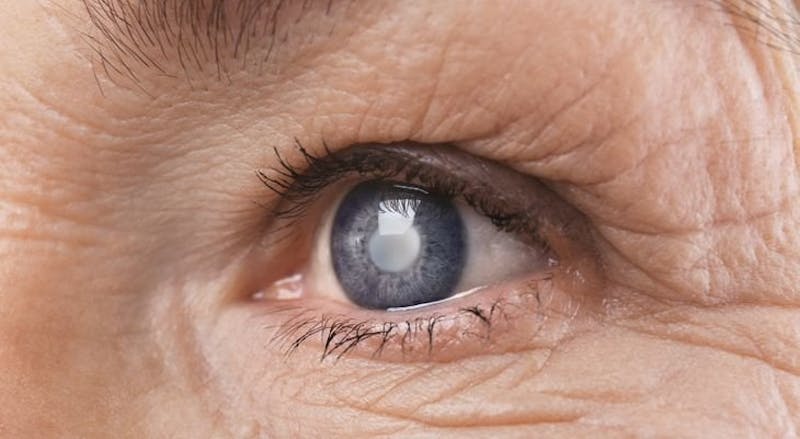
Glaucoma
is the second leading cause of blindness in the United States, making it an important public health priority. Although there are several factors that cause glaucoma, all types of glaucoma are characterized by damage to the optic nerve. This damage prevents the brain from receivin...
View More02
Mar

Sjogren's Syndrome
Pronounced SHOW-grins, Sjogren's syndrome is a disorder of the immune system, or an autoimmune disease, which causes the body's immune system to attack and harm the body's glands. Your glands are responsible for the production of saliva, tears, and other lubrication necessary for...
View More02
Mar
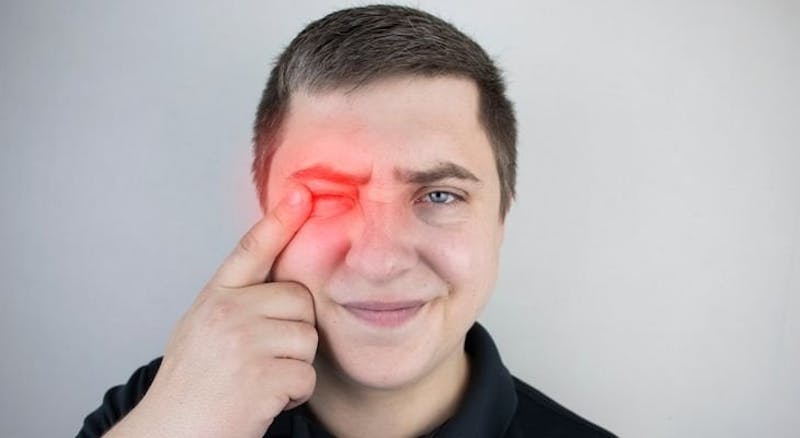
Optic Neuritis
Also known as demyelinating optic neuritis, optic neuritis refers to the inflammation of the optic nerve due to the loss of or damage to a protective covering called myelin, which surrounds the optic nerve. The myelin is essential to the function of the optic nerve. A more genera...
View More02
Mar
Eye Occlusions
An eye occlusion is a blockage in one of the arteries or veins supplying blood to the retina and/or optic nerve. These blockages can cause severe and sudden vision loss. Contact your eye care professional immediately if you experience sudden vision loss, and follow up right away ...
View More02
Mar

Astigmatism
Many correctable vision problems are caused by abnormal eye anatomy. Very few people have perfectly shaped eyes that facilitate ideal vision. Rather, most people have some degree of abnormal curvature or other anatomical irregularities that cause slight visual changes. is one com...
View More